

Self-knowledge involves understanding one’s own thoughts, feelings, and behaviors. It has multiple variations, including self-awareness, self-concept, and self-esteem.
Self-knowledge is crucial for personal growth and development. It encompasses various aspects like self-awareness, where one recognizes their thoughts and emotions, and self-concept, which is how one perceives themselves. Self-esteem reflects one’s overall sense of self-worth. These variations help individuals navigate life more effectively, fostering better decision-making and emotional regulation.
Achieving a deeper understanding of oneself can lead to improved relationships and greater life satisfaction. Engaging in practices like mindfulness, journaling, and seeking feedback from others can enhance self-knowledge, making it a valuable pursuit for anyone aiming to live a more fulfilled life.
The Essence Of Self-knowledge
The essence of self-knowledge revolves around understanding who we truly are. It involves recognizing our strengths, weaknesses, values, and beliefs. Self-knowledge is a journey of continuous learning and introspection.
What Is Self-knowledge?
Self-knowledge is the awareness of one’s own personality and individuality. It includes understanding your emotions, motivations, and behaviors. Knowing oneself helps in making better decisions and living a more fulfilling life.
Why It Matters
Self-knowledge plays a crucial role in personal growth. It allows you to identify areas for improvement and leverage your strengths. Understanding yourself deeply can lead to better relationships and improved mental health.
| Aspect | Description |
|---|---|
| Emotional Awareness | Recognizing and understanding your emotions. |
| Behavioral Patterns | Identifying recurring behaviors and their impact. |
| Values and Beliefs | Knowing what you stand for and believe in. |
- Improves decision-making: Knowing yourself aids in making informed choices.
- Enhances relationships: Better self-awareness leads to more meaningful connections.
- Promotes mental health: Understanding your triggers can help manage stress and anxiety.
- Start by observing your thoughts and feelings.
- Keep a journal to track your emotions and behaviors.
- Seek feedback from trusted friends or mentors.
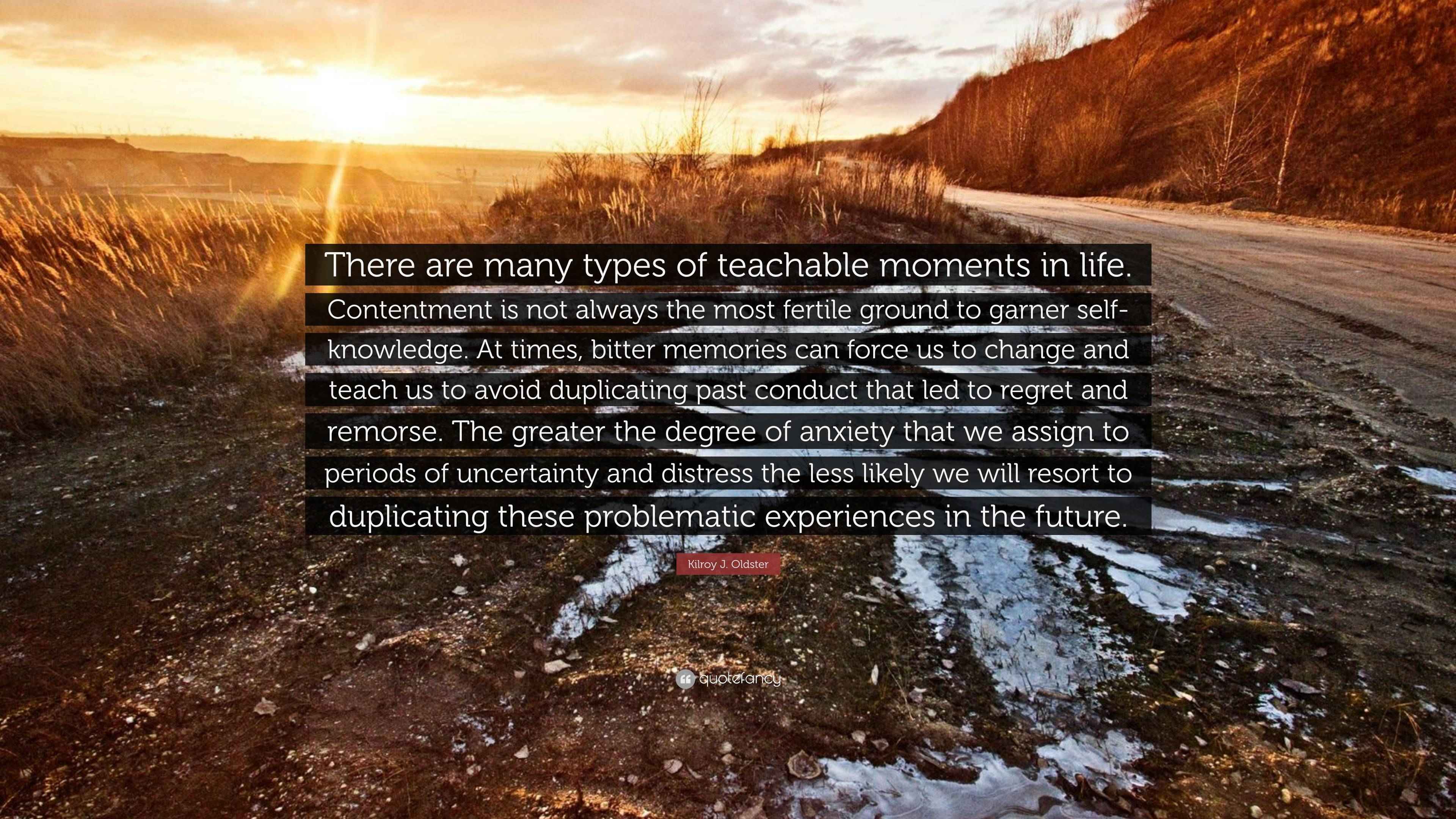
Credit: quotefancy.com
Historical Perspectives
Understanding self-knowledge has been a pursuit across different eras and cultures. This journey through time reveals diverse interpretations and practices. Let’s explore the historical perspectives on self-knowledge.
Philosophical Roots
The ancient Greeks believed in the power of self-knowledge. Socrates famously said, “Know thyself.” This phrase encapsulates the essence of self-awareness. Greek philosophers explored the depths of the human soul. They sought to understand virtues and morality.
Plato and Aristotle contributed significantly to this discourse. Plato emphasized the importance of introspection. Aristotle focused on achieving a balanced life through self-awareness. Their works laid the foundation for modern psychology.
Cultural Interpretations
Different cultures have unique interpretations of self-knowledge. In Eastern traditions, self-awareness is linked to spirituality. For instance, in Buddhism, understanding oneself is crucial for enlightenment. Meditation practices help individuals achieve inner peace.
In African cultures, self-knowledge is tied to community and relationships. The concept of Ubuntu highlights the interconnectedness of individuals. It teaches that knowing oneself involves understanding one’s role in the community.
Below is a table summarizing these perspectives:
| Culture | Philosophical Interpretation |
|---|---|
| Greek | Introspection and virtues |
| Eastern | Spiritual enlightenment |
| African | Community and relationships |
These diverse perspectives enrich our understanding of self-knowledge. They offer varied methods and insights for self-discovery.
Types Of Self-knowledge
Understanding the different types of self-knowledge helps in personal growth. Each type offers unique insights into our inner world. These insights shape our decisions and actions.
Personal Vs. Universal Knowledge
Personal knowledge is unique to each individual. It includes our experiences, memories, and feelings. This knowledge helps us understand our strengths and weaknesses.
Universal knowledge transcends individual experiences. It consists of shared truths and wisdom. This knowledge connects us with others and the larger world.
| Type | Description |
|---|---|
| Personal Knowledge | Unique to an individual, includes personal experiences and feelings. |
| Universal Knowledge | Shared truths and wisdom, connects us with the larger world. |
Explicit Vs. Implicit
Explicit knowledge is clear and easy to explain. It includes facts, theories, and skills we can communicate. This type of knowledge is often learned through education.
- Facts
- Theories
- Skills
Implicit knowledge is harder to articulate. It includes habits, intuitions, and insights we gain over time. This knowledge often guides our actions subconsciously.
- Habits
- Intuitions
- Insights

Credit: www.linkedin.com
The Role Of Introspection
Introspection is a powerful tool for understanding oneself. It involves looking inward and examining one’s thoughts, emotions, and motivations. This process can lead to greater self-awareness and personal growth. By practicing introspection, individuals can uncover hidden aspects of their psyche and gain valuable insights.
Techniques
There are several techniques to practice introspection effectively. These methods help in exploring the depths of one’s mind.
- Journaling: Writing down thoughts and feelings regularly can help track patterns and understand emotions better.
- Meditation: This practice allows individuals to focus on their inner self, promoting clarity and peace.
- Mindfulness: Being present in the moment helps in recognizing immediate thoughts and emotions.
- Self-Questioning: Asking oneself probing questions can reveal underlying beliefs and motivations.
Limitations
While introspection has many benefits, it also has its limitations. It’s important to be aware of these to avoid potential pitfalls.
- Bias: Personal biases can affect the accuracy of self-assessment.
- Overthinking: Excessive introspection may lead to anxiety and over-analysis.
- Subjectivity: It can be challenging to remain objective about oneself.
- Lack of External Feedback: Relying solely on introspection may ignore valuable insights from others.
Understanding these limitations can help balance introspection with other self-knowledge methods.
Cognitive Biases And Self-perception
Understanding self-knowledge involves more than introspection. Our minds often play tricks on us. These tricks are called cognitive biases. They affect how we see ourselves and the world. Recognizing these biases can improve our self-perception. Let’s explore some common biases and ways to overcome them.
Common Biases
| Bias | Description |
|---|---|
| Confirmation Bias | We favor information that confirms our beliefs. |
| Self-Serving Bias | We credit ourselves for successes but blame others for failures. |
| Availability Heuristic | We judge the likelihood of events based on recent memories. |
| Overconfidence Effect | We overestimate our abilities and knowledge. |
Overcoming Biases
Overcoming cognitive biases requires self-awareness. Here are some steps to help:
- Seek Diverse Perspectives: Listen to different viewpoints. They can challenge your beliefs.
- Question Assumptions: Ask yourself why you believe something. Is it based on facts or feelings?
- Keep an Open Mind: Be willing to change your mind when presented with new evidence.
- Reflect on Past Decisions: Think about past mistakes. Learn from them to avoid future bias.
- Practice Mindfulness: Stay present. Being mindful helps you recognize biases in the moment.
By addressing these biases, we gain a clearer understanding of ourselves. This improved self-perception can lead to better decision-making and personal growth.
The Impact Of Social Media
Social media has changed how we see ourselves. It impacts self-knowledge in many ways. People share their lives online. This sharing affects how they think about themselves.
Altered Self-perception
Social media can change self-perception. People compare themselves with others. They see posts about perfect lives. This can make them feel bad. They may think they are not good enough.
Here are some ways social media alters self-perception:
- Comparison: People compare their lives to others.
- Validation: They seek likes and comments for approval.
- Highlight Reels: Only the best moments are shared.
The Digital Mirror
Social media acts as a digital mirror. It reflects back what people post. They see their own lives through others’ eyes. This reflection can change their self-knowledge.
Below is a simple table showing the differences:
| Real Life | Social Media |
|---|---|
| Private moments | Public posts |
| True feelings | Filtered emotions |
| Personal growth | Public approval |
The digital mirror shows a distorted image. People start to believe this image. It can change how they think about themselves.
Emotional Intelligence And Self-knowledge
Understanding emotional intelligence is key to self-knowledge. It helps us navigate our emotions and understand others better. Emotional intelligence involves recognizing and managing our own emotions. It also includes understanding and influencing the emotions of others.
Emotions As Guides
Emotions serve as guides in our daily lives. They inform us about our needs and desires. When we feel happy, we know we are doing something right. When we feel sad, it signals that something is wrong. Emotions help us make decisions and solve problems. They guide us in our relationships and interactions.
Here is a table to understand different emotions and their signals:
| Emotion | Signal |
|---|---|
| Happiness | Doing something right |
| Sadness | Something is wrong |
| Fear | Potential danger |
| Anger | Violation of boundaries |
Developing Emotional Awareness
Developing emotional awareness is crucial for self-knowledge. It starts with recognizing our emotions. We need to name our feelings and understand their source. Here are some steps to develop emotional awareness:
- Identify your emotions: Take a moment to notice what you are feeling.
- Understand the cause: Think about why you are feeling this way.
- Express your emotions: Share your feelings with others.
- Manage your emotions: Find healthy ways to cope with your feelings.
Practicing these steps can improve your emotional intelligence. It helps you understand yourself better. It also improves your relationships with others.
The Role Of Memory In Self-knowledge
Memory plays a vital role in self-knowledge. It helps us understand who we are. Our memories shape our identity and influence our future decisions. This section explores the intricate relationship between memory and self-knowledge.
Reconstructive Nature Of Memory
Memory is not a perfect recording of past events. Instead, it is reconstructive. Our brains piece together memories from bits of information. This process can lead to inaccuracies. People often remember events differently from how they occurred. Memories are influenced by emotions, biases, and new information.
Studies show that our memories change over time. Each time we recall a memory, we may alter it slightly. This means our past is not as fixed as we think. Understanding this can help us be more mindful of how we interpret our experiences.
Memory And Identity
Our identity is closely linked to our memories. The experiences we remember shape how we see ourselves. For example, a person who remembers many successes may have high self-esteem. On the other hand, someone who recalls many failures might struggle with self-worth.
Here are some key ways memory influences identity:
- Personal Narratives: The stories we tell about ourselves are built from memories.
- Consistency: We seek consistency in our memories to form a stable identity.
- Meaning: The meaning we attach to events affects our self-view.
By reflecting on our memories, we can gain deeper insights into our identity. This self-reflection can lead to personal growth and better self-understanding.
Understanding the role of memory in self-knowledge is crucial. It helps us navigate our past and shape our future.
Psychological Theories On Self-knowledge
Understanding oneself is a journey. It involves diving deep into the mind. Various psychological theories offer insights into self-knowledge. These theories help us understand our thoughts and behaviors.
Freud’s Theory Of The Unconscious
Sigmund Freud introduced the concept of the unconscious mind. He believed our mind is like an iceberg. The conscious mind is the tip, while the unconscious is hidden below. The unconscious mind holds our desires, memories, and experiences. These elements influence our behavior without us knowing.
Freud divided the mind into three parts:
- Id: The primal part, driven by basic instincts.
- Ego: The rational part, balancing desires and reality.
- Superego: The moral compass, guiding right and wrong.
Freud’s theory suggests self-knowledge involves exploring these hidden parts. Through techniques like dream analysis and free association, one can uncover hidden thoughts. This understanding can lead to better self-awareness and mental health.
Rogers’ Self-concept
Carl Rogers focused on the concept of self. He believed self-knowledge comes from understanding one’s self-concept. Self-concept is how we see ourselves and our abilities. It includes our thoughts, feelings, and beliefs about who we are.
Rogers identified three components of self-concept:
- Self-image: How we see ourselves.
- Self-esteem: How we value ourselves.
- Ideal self: Who we want to be.
Rogers believed in the importance of unconditional positive regard. This means accepting and valuing oneself without conditions. He argued that a positive self-concept leads to better mental health. To achieve this, one must align their self-image with their ideal self. This alignment brings a sense of fulfillment and happiness.
| Theory | Key Concepts | Importance |
|---|---|---|
| Freud’s Theory | Unconscious mind, Id, Ego, Superego | Explains hidden influences on behavior |
| Rogers’ Theory | Self-image, Self-esteem, Ideal self | Promotes positive self-concept for mental health |
Both Freud and Rogers offer valuable insights into self-knowledge. While Freud focuses on hidden desires, Rogers emphasizes self-acceptance. Together, they provide a comprehensive view of understanding oneself.
Neuroscience And Self-knowledge
Understanding oneself is a lifelong journey. Neuroscience offers fascinating insights into this quest. It reveals the brain’s role in shaping self-knowledge. Let’s dive into the neuroscience behind self-awareness.
Brain Areas Involved
Several brain regions play a role in self-knowledge. The prefrontal cortex is crucial. It helps with decision-making and social behavior. The anterior cingulate cortex is also important. It deals with error detection and emotional regulation. The insula helps us sense our internal states. Together, these areas create a sense of self.
| Brain Area | Function |
|---|---|
| Prefrontal Cortex | Decision-making, social behavior |
| Anterior Cingulate Cortex | Error detection, emotional regulation |
| Insula | Internal state awareness |
Neuroplasticity And Self-perception
Neuroplasticity is the brain’s ability to change. This happens throughout our lives. Experiences and learning shape our brain. This, in turn, affects our self-perception.
Studies show that mindfulness practices can alter brain structure. They enhance self-awareness and emotional regulation. Regular practice strengthens the prefrontal cortex. It also reduces the size of the amygdala, which is linked to fear and stress.
- Mindfulness: Enhances self-awareness
- Meditation: Improves emotional regulation
- Learning new skills: Boosts self-esteem
These changes demonstrate the power of neuroplasticity. Our brain adapts, and so does our self-knowledge. Engaging in positive activities can transform our self-view. This highlights the dynamic nature of self-perception.
Mindfulness And Self-knowledge
Understanding oneself is a journey that many embark on. Mindfulness plays a crucial role in this journey. By being present and aware, we can gain deeper insights into our thoughts, emotions, and behaviors. This awareness is the foundation of self-knowledge, leading to a more fulfilling life.
Practices For Awareness
There are various practices to enhance mindfulness and self-awareness.
- Meditation: Spend a few minutes each day in quiet reflection. Focus on your breath and let go of distractions.
- Journaling: Write down your thoughts and feelings daily. This helps in recognizing patterns and triggers.
- Mindful Walking: Pay attention to each step you take. Notice the sensations in your feet and the rhythm of your walk.
- Body Scan: Lie down and mentally scan your body from head to toe. Notice any tension or discomfort.
- Mindful Eating: Eat slowly and savor each bite. Pay attention to the taste, texture, and smell of your food.
Benefits
Practicing mindfulness offers numerous benefits for self-knowledge.
| Benefit | Description |
|---|---|
| Enhanced Self-Awareness | Mindfulness helps you understand your thoughts and emotions better. |
| Reduced Stress | Being present can lower stress levels and promote relaxation. |
| Improved Focus | Mindfulness practices can improve your concentration and attention to detail. |
| Better Emotional Regulation | You become better at managing your emotions and reactions. |
| Greater Empathy | Understanding yourself can help you understand others better. |
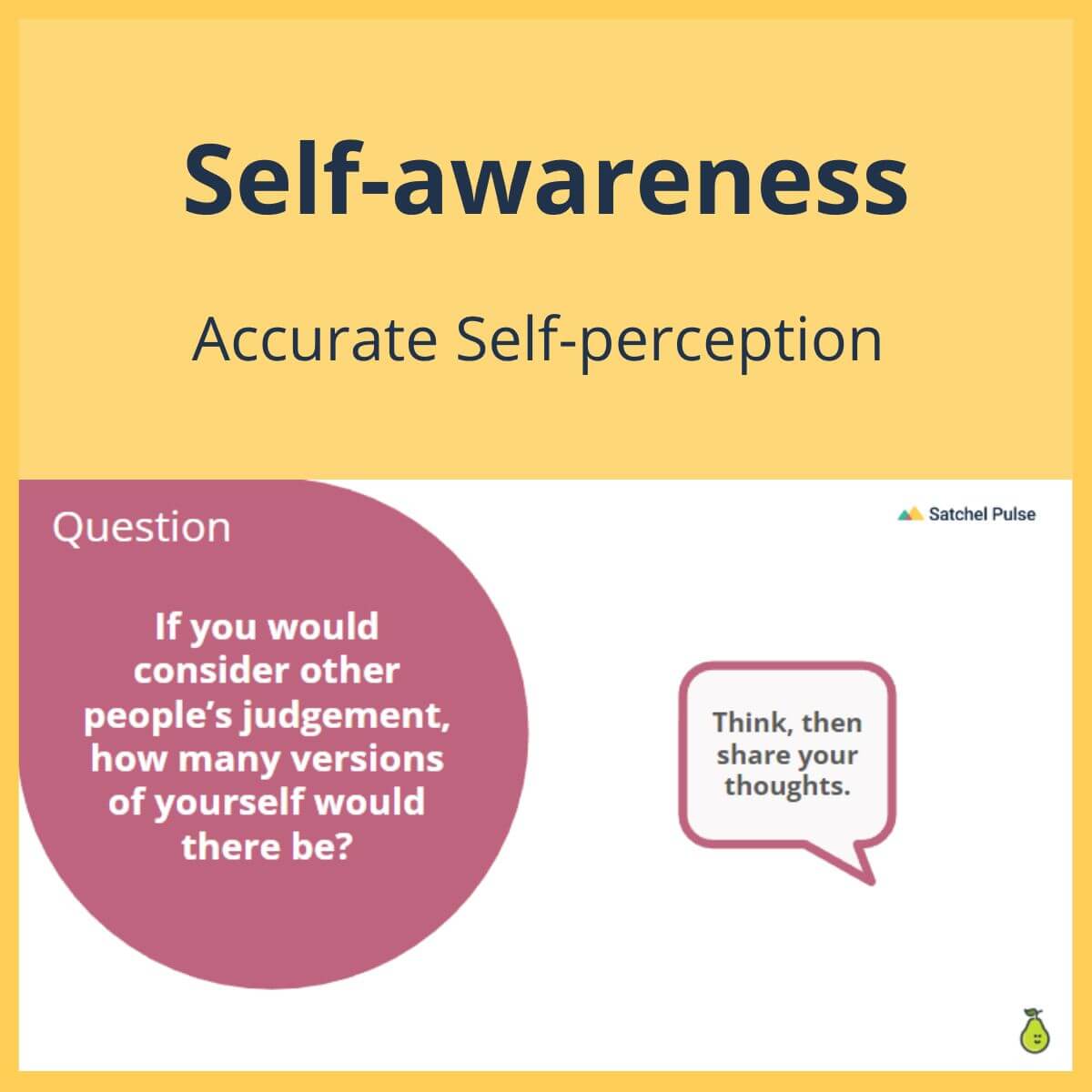
Credit: theselstore.com
The Influence Of Language
Language plays a crucial role in shaping our thoughts and self-identity. Different languages offer unique lenses through which we view the world. Understanding this can deepen our self-knowledge.
Language Shaping Thought
Language influences how we think. Each language has its own structure and vocabulary. This affects our perception of reality.
For instance, some languages have multiple words for “snow.” This allows speakers to describe snow in various ways. In contrast, other languages may have only one word. This limits their descriptive ability.
Studies show that bilingual individuals can switch perspectives based on the language they use. This flexibility enhances cognitive abilities.
Self-description And Identity
How we describe ourselves often depends on the language we speak. Words carry different meanings and connotations in different languages.
For example, the word “I” might carry a strong sense of individuality in English. In some Asian languages, “I” might reflect a communal identity. This shapes how people see themselves and their roles in society.
Language also impacts our emotional expression. Some languages have words for emotions that don’t exist in others. This can affect how we understand and communicate our feelings.
| Language | Unique Words | Impact on Thought |
|---|---|---|
| English | Individuality | Strong sense of self |
| Japanese | Communal Identity | Focus on group harmony |
| Inuit | Multiple words for snow | Detailed perception of environment |
Understanding these variations can help us appreciate different perspectives. It can also enhance our self-awareness and empathy for others.
Cultural Differences In Self-knowledge
Self-knowledge varies greatly across cultures. People’s understanding of themselves is influenced by their cultural backgrounds. This section explores these differences.
Collectivist Vs. Individualist
Collectivist cultures focus on group goals and harmony. Individuals in these cultures see themselves as part of a larger group. Examples include many Asian and African societies.
Individualist cultures emphasize personal goals and independence. People in these cultures view themselves as unique individuals. Examples include the United States and many European countries.
| Aspect | Collectivist Cultures | Individualist Cultures |
|---|---|---|
| Focus | Group goals | Personal goals |
| Identity | Part of a group | Unique individual |
| Values | Harmony | Independence |
Cultural Self-perception
Cultural self-perception shapes how people see themselves. In collectivist cultures, self-perception is tied to group success. People feel pride in their group’s achievements.
In individualist cultures, self-perception focuses on personal success. People take pride in their own achievements. Each culture provides a unique lens for self-understanding.
The Power Of Self-disclosure
Self-disclosure is the act of sharing personal thoughts, feelings, and experiences. It helps us understand ourselves better. By sharing, we can see our strengths and weaknesses. This process can be both challenging and rewarding.
Sharing The Inner Self
Sharing the inner self means revealing your true feelings. It involves talking about your deepest thoughts. This can create a strong bond with others. When you share, you build trust and intimacy. People feel closer to you. They understand you better.
Sharing can happen in different ways. You can talk to a friend or family member. You can write in a journal. You can also join a support group. Each method has its own benefits.
Risks And Rewards
Self-disclosure has both risks and rewards. The risks include feeling vulnerable. You may worry about being judged. There is a chance of getting hurt. People might not respond as you expect. This can be disappointing.
The rewards are worth considering. Sharing can lead to emotional relief. You feel lighter. It can improve your mental health. You become more self-aware. Relationships grow stronger. Trust and understanding increase.
| Risks | Rewards |
|---|---|
| Feeling vulnerable | Emotional relief |
| Fear of judgment | Improved mental health |
| Chance of disappointment | Stronger relationships |
To manage risks, start small. Share with someone you trust. Gradually, you will feel more comfortable. The more you share, the easier it gets. Self-disclosure is a journey. It takes time and courage.
The Journey To Self-actualization
The journey to self-actualization is a personal and transformative experience. It involves deep introspection and understanding of oneself. This path leads to the realization of one’s full potential and true self.
Maslow’s Hierarchy Of Needs
Maslow’s Hierarchy of Needs is a psychological theory. It outlines the stages of human growth. The theory is often depicted as a pyramid. Each level represents different needs that must be fulfilled.
| Level | Description |
|---|---|
| Physiological Needs | Basic needs like food, water, and shelter |
| Safety Needs | Security and protection from harm |
| Love and Belonging | Relationships, family, and friendship |
| Esteem | Respect, self-esteem, and recognition |
| Self-Actualization | Achieving one’s full potential and personal growth |
Pathways To Self-actualization
There are various pathways to self-actualization. Each person may take a different route based on their experiences and aspirations.
- Personal Development: Engage in activities that foster growth. This includes reading, learning new skills, and setting goals.
- Meditation and Mindfulness: Practice mindfulness to gain better self-awareness. Meditation helps in understanding one’s thoughts and emotions.
- Creative Expression: Use creativity to express oneself. This can be through art, music, writing, or any other form of expression.
- Physical Health: Maintain a healthy lifestyle. Regular exercise and a balanced diet are crucial for overall well-being.
- Building Relationships: Develop meaningful connections with others. Relationships provide support and a sense of belonging.
Self-actualization is a continuous process. It requires commitment and dedication. Each step taken brings one closer to understanding their true self.
Self-knowledge In Relationships
Understanding oneself is vital for building strong, healthy relationships. When we know who we are, we communicate better and connect deeply with others. This section explores how self-knowledge impacts our relationships.
Understanding Self In Context
Knowing yourself in different contexts is important. We act differently with friends, family, and colleagues. Recognizing these variations helps us interact more effectively.
Self-awareness in relationships involves understanding our thoughts, feelings, and behaviors. This awareness helps us see how our actions affect others. It also helps us improve our interactions.
Reflection and feedback are tools to gain self-knowledge. Reflect on your actions and seek feedback from those you trust. This can provide new insights into your behaviors and how they impact your relationships.
Improving Interpersonal Connections
Self-knowledge enhances communication. Knowing your strengths and weaknesses helps you communicate more clearly. This reduces misunderstandings and conflicts.
Empathy grows with self-awareness. When you understand your emotions, you can better understand others’ feelings. This makes your relationships more supportive and caring.
Self-knowledge promotes mutual respect. Recognizing your needs and boundaries helps you respect others’ needs too. This fosters a healthy balance in relationships.
Consider these steps to improve your connections:
- Reflect on your interactions: Think about your recent conversations and how you felt.
- Ask for feedback: Friends and family can provide valuable insights.
- Practice active listening: Pay attention to what others say without interrupting.
- Set clear boundaries: Know your limits and communicate them effectively.
| Self-Knowledge Aspect | Impact on Relationships |
|---|---|
| Self-awareness | Enhances empathy and understanding |
| Reflection | Identifies areas for improvement |
| Feedback | Provides new perspectives |
Challenges In Acquiring Self-knowledge
Understanding oneself can be a tough journey. Acquiring self-knowledge involves diving deep into one’s mind. There are many obstacles that make this process hard. Let’s explore some key challenges.
Psychological Resistance
Psychological resistance is a big barrier. Our minds often resist facing uncomfortable truths. This resistance can show up as denial or avoidance. Below are some ways resistance manifests:
- Denial: Refusing to accept reality.
- Avoidance: Steering clear of certain thoughts or feelings.
- Rationalization: Justifying behaviors to make them seem acceptable.
These behaviors protect us from emotional pain. But they also stop us from gaining true self-knowledge.
The Unconscious Mind
The unconscious mind holds many hidden thoughts and memories. These hidden parts influence our actions without us knowing. Accessing these parts is a challenge. Here are some ways the unconscious mind affects us:
| Aspect | Description |
|---|---|
| Repressed Memories | Memories pushed out of conscious awareness. |
| Implicit Biases | Unconscious attitudes towards people or groups. |
| Instinctual Drives | Basic urges and desires that influence behavior. |
Unlocking these hidden parts requires effort and often professional help. But doing so brings us closer to true self-understanding.
The Role Of Education In Self-knowledge
Education plays a crucial role in the journey of self-discovery. It helps individuals understand their strengths, weaknesses, and passions. By learning about oneself, one can make informed decisions about their life and career.
Learning About Oneself
Learning about oneself involves discovering personal interests, talents, and values. This process often starts in the early years of schooling.
Teachers and parents play a significant role in guiding children towards self-awareness. Activities like journaling, self-reflection, and group discussions can foster this understanding.
- Journaling helps in expressing thoughts and feelings.
- Self-reflection allows for personal growth and understanding.
- Group discussions encourage sharing and learning from others.
Educational Systems And Self-discovery
Educational systems can either support or hinder self-discovery. Schools with diverse curricula and extracurricular activities provide more opportunities for students to explore their interests.
A supportive educational environment encourages students to try new things and take risks. This can lead to a deeper understanding of oneself.
| Element | Role in Self-Discovery |
|---|---|
| Diverse Curricula | Expose students to various subjects. |
| Extracurricular Activities | Help in exploring interests and talents. |
| Supportive Teachers | Guide and mentor students. |
Supportive teachers are essential in this journey. They can identify students’ strengths and provide resources to nurture them.
In conclusion, education is vital in the path to self-knowledge. By providing diverse opportunities and supportive environments, educational systems can help individuals discover their true selves.
Future Directions In Self-knowledge Research
Research in self-knowledge continues to evolve. New technologies and interdisciplinary methods are opening exciting possibilities. This section explores these future directions.
Emerging Technologies
Technological advancements are transforming self-knowledge research. Wearable devices and smart apps provide real-time data on our behaviors and emotions.
These technologies track physical activity, monitor sleep patterns, and even assess mental health. They offer insights that were previously difficult to obtain.
| Technology | Application |
|---|---|
| Wearable Devices | Track physical activity and sleep |
| Smart Apps | Monitor mental health |
| AI Algorithms | Analyze behavioral patterns |
Interdisciplinary Approaches
Combining different fields enhances our understanding of self-knowledge. Psychology, neuroscience, and computer science are key players.
Psychologists study how we perceive ourselves. Neuroscientists look at brain activity related to self-awareness. Computer scientists develop algorithms to analyze data.
- Psychology: Self-perception and behavior
- Neuroscience: Brain activity and self-awareness
- Computer Science: Data analysis and pattern recognition
Interdisciplinary teams work together to create a comprehensive understanding. This approach yields richer insights and more robust findings.
Practical Steps To Enhance Self-knowledge
Understanding oneself is a lifelong journey. Enhancing self-knowledge can lead to a more fulfilling life. Here are some practical steps to help you on this path.
Daily Reflection
Daily reflection is a powerful tool. It helps you understand your thoughts and actions. Set aside time every day for this practice.
- Journaling: Write down your thoughts and feelings. This helps you see patterns over time.
- Meditation: Spend a few minutes in silence. Focus on your breath and observe your mind.
- Gratitude List: List three things you are grateful for each day. This shifts your focus to positive aspects of your life.
Consistency is key. Reflecting daily builds a habit that deepens your self-awareness.
Seeking Feedback
Feedback from others provides a different perspective. It can highlight blind spots in your self-perception.
- Ask Trusted Friends: Request honest feedback from those who know you well. They can offer insights you might miss.
- Professional Guidance: Consider hiring a coach or therapist. They are trained to help you explore and understand your inner world.
- Workplace Reviews: Use performance reviews to gain insights into your professional behavior and skills.
Listen actively to the feedback. It can be a valuable tool for personal growth.
By incorporating these steps into your routine, you can enhance your self-knowledge. This leads to a more aware and fulfilling life.
Frequently Asked Questions
What Are The Five Kinds Of Self-knowledge?
The five kinds of self-knowledge are self-awareness, self-concept, self-esteem, self-regulation, and self-transcendence. Each type offers insights into personal identity, strengths, and weaknesses. Understanding these helps in personal growth and effective decision-making.
What Is Self-knowledge Called?
Self-knowledge is called self-awareness. It involves understanding one’s own emotions, desires, strengths, and weaknesses.
What Is The Theory Of Self-knowledge?
The theory of self-knowledge suggests individuals can understand their own thoughts, feelings, and motivations through introspection and reflection. This awareness helps in personal growth and decision-making.
What Are Two Self-knowledge?
Two types of self-knowledge are introspective self-knowledge and social self-knowledge. Introspective self-knowledge involves understanding personal thoughts and feelings. Social self-knowledge involves recognizing how others perceive you.
What Is Self-knowledge?
Self-knowledge is understanding your own personality, feelings, and behaviors.
Why Is Self-knowledge Important?
Self-knowledge helps improve decision-making, emotional regulation, and personal growth.
How Can I Improve Self-knowledge?
Reflect regularly, seek feedback, and practice mindfulness to enhance self-awareness.
What Are Types Of Self-knowledge?
Types include emotional, social, and intellectual self-knowledge.
How Does Self-knowledge Affect Relationships?
Understanding yourself improves communication and empathy in relationships.
Can Self-knowledge Boost Mental Health?
Yes, it can reduce stress and increase resilience.
Conclusion
Exploring self-knowledge enriches our lives and fosters personal growth. Each variation offers unique insights and benefits. Embrace the journey of self-discovery. It leads to greater self-awareness and fulfillment. Cultivate your understanding through reflection and experiences. Begin today to unlock your true potential.